South African Moulding Industry
How Moulding Shapes South African Industry
Explore where moulded products are used, how they are made, and what to look for when choosing a local manufacturing partner.

A Versatile Sector Serving Local Manufacturing
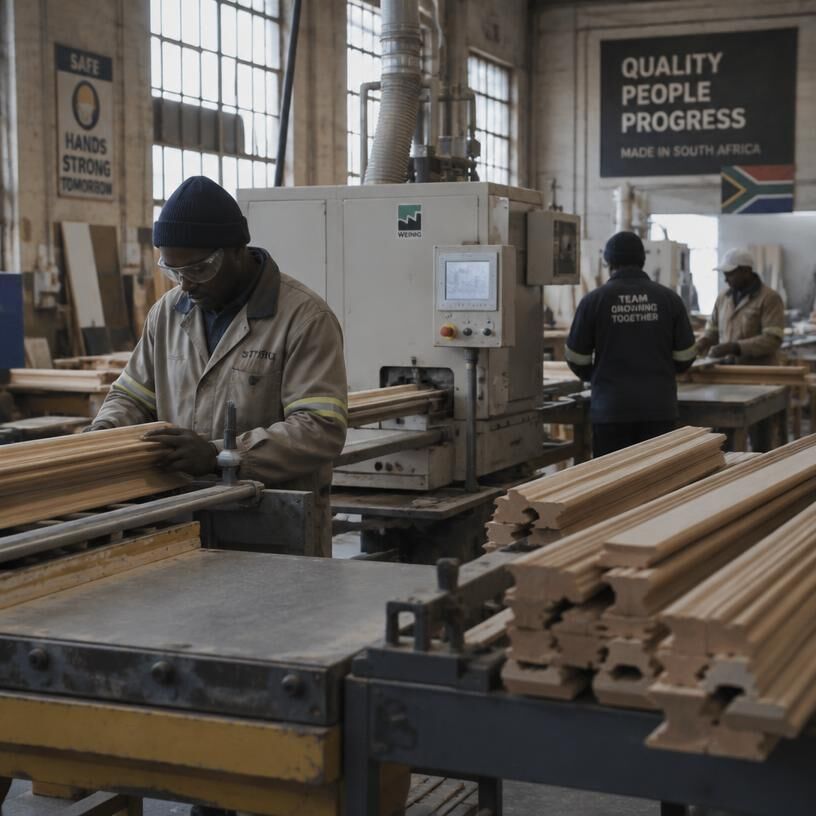
South Africa’s moulding sector turns raw materials into components used in packaging, vehicles, buildings, household products and farming equipment. Local manufacturers use processes such as injection, blow, compression and rotational moulding to produce everything from small precision parts to large tanks and containers. Plastic resins are common, while rubber and composite materials serve applications requiring flexibility, durability or specialised performance. When comparing providers, consider their experience with your material and process, tooling capability, production capacity, quality controls and ability to meet delivery requirements.
Where Moulded Products Make an Impact
- Food and beverage containers
- Protective packaging inserts
- Automotive interior trim
- Vehicle clips and housings
- Construction pipe fittings
- Electrical conduit components
- Household storage products
- Appliance knobs and casings
- Retail display fixtures
- Medical device enclosures
- Industrial machine guards
- Reusable transport crates
- Agricultural water tanks
- Irrigation system connectors
- Seedling trays and planters
- Livestock feeding troughs
- Farm equipment covers
- Harvest handling bins
Common Moulding Materials and Where They Work Best
Material selection shapes a product’s strength, flexibility, finish and cost. Polypropylene (PP) is lightweight and resistant to chemicals and fatigue, making it useful for reusable containers, caps and living hinges. Polyethylene (PE) offers toughness and moisture resistance for tanks, drums and packaging, while PET provides clarity and good barrier performance for beverage bottles. ABS is valued for its rigidity and smooth finish in appliance housings and automotive trim.
For higher demands, nylon offers wear resistance in gears and industrial components, while polycarbonate provides impact strength and transparency for protective covers. Silicone and other elastomers suit flexible seals and gaskets; thermoset compounds can withstand heat in electrical parts. Compare operating temperature, UV exposure, food-contact requirements and recyclability before specifying a grade, and ask South African suppliers about local availability and consistent material sourcing.
Processes and Applications
Moulding Methods Used Across South Africa
Injection Moulding
Molten polymer is injected into a precision tool to produce repeatable parts, from closures and housings to technical components. It is well suited to medium- and high-volume runs where dimensional consistency matters.
Blow Moulding
Air expands heated plastic inside a mould to form hollow items such as bottles, canisters and drums. It is a practical choice for lightweight packaging and containers made in large quantities.
Compression Moulding
A measured charge is pressed into a heated tool, commonly for rubber, thermosets and composite parts. This method suits seals, electrical components and durable parts with thicker sections.
Rotational Moulding
Powdered polymer coats a rotating, heated mould to create seamless hollow products. Tanks, bins and playground equipment benefit from its ability to form large shapes with relatively low tooling costs.
Extrusion Moulding
Material is pushed through a shaped die to make continuous profiles such as pipes, tubing and trims. It works best where consistent cross-sections and steady production are required.
Thermoforming
A heated plastic sheet is drawn over a tool and trimmed into shape. Trays, liners and display panels often use this method when broad surfaces and shorter tooling lead times are priorities.
What to Check Before Choosing a Moulding Provider
Compare providers on more than price. The right fit depends on whether their equipment, tooling support and material experience match your part, whether they can demonstrate reliable quality controls, and whether their capacity suits your order size. Confirm realistic lead times, delivery arrangements across South Africa and how they handle scrap or recycled content before committing to production.
01
Process and Tooling Capability
02
Quality and Traceability Standards
03
Volume and Lead-Time Fit
04
Material Use and Sustainability
Explore Moulding Specialists
Plastic Injection Moulders
Blow Moulding Providers
Rotational Moulding Specialists
Compression Moulding Companies
Rubber Moulding Providers
Silicone Moulding Specialists
Toolmakers and Mould Designers
Prototype and Short-Run Moulders
Questions About Moulding in South Africa
Compare processes, materials and production needs before approaching a moulding provider.
Which moulding process is right for my product?
Injection moulding suits detailed plastic parts made in larger quantities. Blow moulding is commonly used for hollow containers, while rotational moulding works well for larger hollow products. Share your design, intended use and expected volumes with a provider to assess the best fit.
How do I choose a suitable moulding material?
Consider strength, flexibility, temperature exposure, chemical resistance and whether the part will be used indoors or outdoors. A provider can help compare options such as polypropylene, polyethylene, ABS, rubber and silicone against your requirements.
Do I need a finished design before requesting a quote?
A finished drawing helps, but many providers can discuss an early concept. Supply dimensions, sketches or CAD files if available, along with the part’s purpose, material preferences and estimated quantities.
What affects moulding costs and lead times?
Tooling complexity, material choice, part size, order volume and finishing requirements all affect pricing and schedules. Ask providers to separate once-off tooling costs from per-part costs and to confirm their current lead times.
What should I check when comparing South African providers?
Look for experience with your process and material, suitable production capacity and clear quality-control practices. Confirm tooling ownership, minimum order quantities, delivery arrangements and the support available for design changes.
Ready to Find the Right Specialist?
Connect With a Moulding Provider in South Africa
Explore the Moulding directory to compare local specialists by process and capability, then contact providers suited to your design, material and production needs.